



Why India Is the Best Country for Tiger Safaris
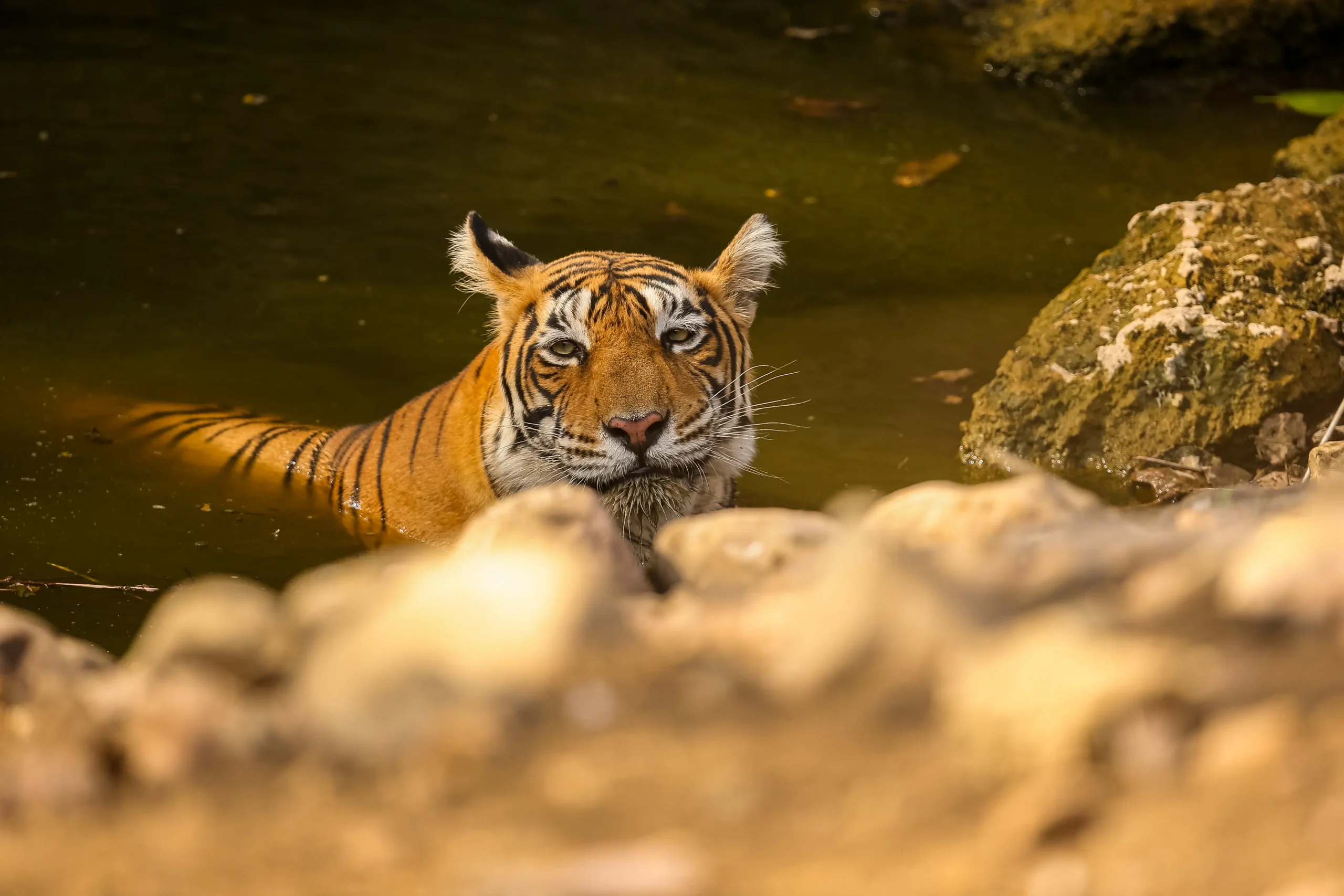
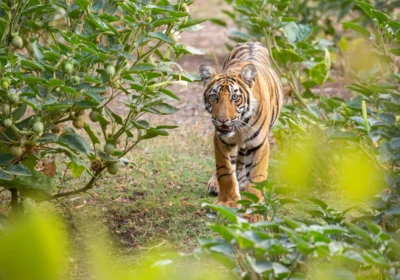
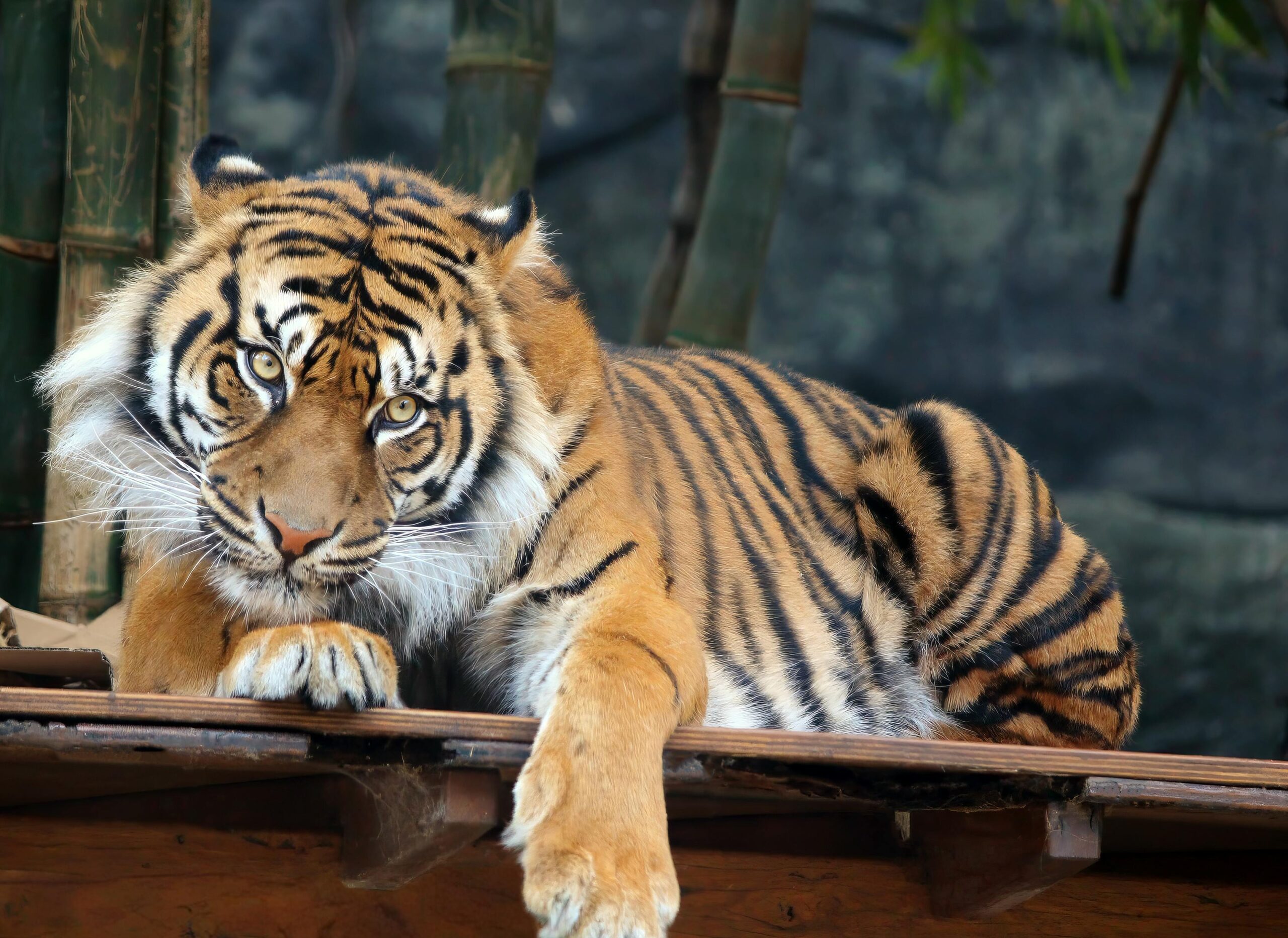
When it comes to tiger safaris, no country in the world comes close to India. Home to nearly 75% of the world’s wild tiger population, India offers the most authentic, diverse, and rewarding tiger safari experiences anywhere on the planet.
From dense forests and open meadows to ancient forts and riverbanks, India’s national parks provide ideal conditions for observing tigers in the wild — not behind fences, not in controlled reserves, but in their true natural habitat.
Here’s why India stands undisputed as the best country for tiger safaris.
India Is Home to the Largest Tiger Population in the World
India is the global stronghold of the Royal Bengal Tiger. According to conservation estimates, more than 3,000 wild tigers roam freely across Indian forests.
What makes this extraordinary is not just the number, but the spread:
- Tigers live across central, northern, eastern, and southern India
- Each region offers a unique landscape and safari experience
- Healthy breeding populations ensure long-term conservation
No other country offers such a high density of wild tigers across multiple accessible parks.
World-Class Tiger Reserves Designed for Safaris
India has over 50 designated tiger reserves, many of which are specifically managed for conservation and responsible tourism.
Some of the most famous tiger safari destinations include:
- Tadoba Andhari Tiger Reserve (Maharashtra)
- Pench National Park (Madhya Pradesh & Maharashtra)
- Kanha National Park (Madhya Pradesh)
- Ranthambore National Park (Rajasthan)
- Bandhavgarh, Corbett, Satpura, and more
These reserves are divided into zones with regulated safari routes, ensuring:
- Minimal disturbance to wildlife
- Fair chances of sightings
- Sustainable tourism practices
High Tiger Sighting Chances Compared to Other Countries
Unlike many wildlife destinations where tiger sightings are rare, Indian parks are known for consistent and frequent sightings.
Why sightings are better in India:
- Strong prey base (deer, gaur, wild boar)
- Well-protected habitats
- Experienced forest guides
- Open safari vehicles with excellent visibility
Parks like Tadoba, Bandhavgarh, and Ranthambore are especially famous for daytime tiger sightings, making India ideal even for first-time safari travelers.
Open Jeep Safaris Offer an Authentic Experience
In India, tiger safaris are primarily conducted in open gypsy jeeps, allowing travelers to:
- Hear jungle sounds clearly
- Spot animals from a distance
- Photograph wildlife naturally
- Feel immersed in the forest
Unlike closed vehicles or viewing hides used in some countries, India’s safari style feels raw, real, and unforgettable.
Diverse Landscapes, One Country
One of India’s biggest advantages is the variety of ecosystems within a single country.
You can experience:
- Dry deciduous forests in Tadoba
- Riverine landscapes in Pench
- Vast grasslands and sal forests in Kanha
- Rocky terrain and lakes in Ranthambore
Each park offers a different backdrop, tiger behavior, and wildlife combination — all within a few hours of domestic travel.
Strong Conservation Success Stories
India is a global leader in tiger conservation.
Through initiatives like Project Tiger, India has:
- Reversed declining tiger populations
- Protected large forest corridors
- Reduced poaching significantly
- Balanced tourism with conservation
When you go on a tiger safari in India, you’re not just traveling — you’re actively supporting wildlife protection and local communities.
Affordable Compared to Global Safari Destinations
Compared to African safaris or private wildlife reserves elsewhere, India offers excellent value.
Travelers can enjoy:
- Multiple safaris at reasonable costs
- Comfortable forest lodges and resorts
- Professional guides and drivers
- High-quality wildlife experiences
This makes India accessible for:
- Solo travellers
- Families
- Wildlife photographers
- First-time safari enthusiasts
Ideal for Both Beginners and Wildlife Enthusiasts
India’s safari infrastructure is well-developed, making it perfect for:
- First-time safari travellers
- Nature lovers
- Serious wildlife photographers
- Repeat safari explorers
Clear rules, trained guides, organized zones, and fixed safari timings ensure a smooth experience even if you’re new to wildlife travel.
Best Time for Tiger Safaris in India
Tiger safaris in India generally operate from October to June.
- October – February: Pleasant weather, scenic forests
- March – May: Best tiger sightings, hotter temperatures
- Monsoon (July – September): Most parks closed
For travelers focused on tiger sightings, summer months offer the highest success rates.
Why TigerEye Tours Is the Right Choice for Indian Tiger Safaris
At TigerEye Tours, we specialize exclusively in Indian jungle safaris.
Our expertise covers:
- Tadoba, Pench, Kanha, Ranthambore & more
- Safari permit planning and zone selection
- Trusted local guides and drivers
- Handpicked stays near forest gates
- Personalized safari itineraries
We understand the jungle — because we live it.
Final Thoughts
India is not just the best country for tiger safaris — it is the heart of global tiger conservation. With unmatched tiger populations, diverse forests, structured safari systems, and authentic experiences, India offers something no other destination can replicate.
If seeing a tiger in the wild is on your bucket list, there’s no better place to start than India.