


What Is a Jungle Safari? A Complete Beginner’s Guide
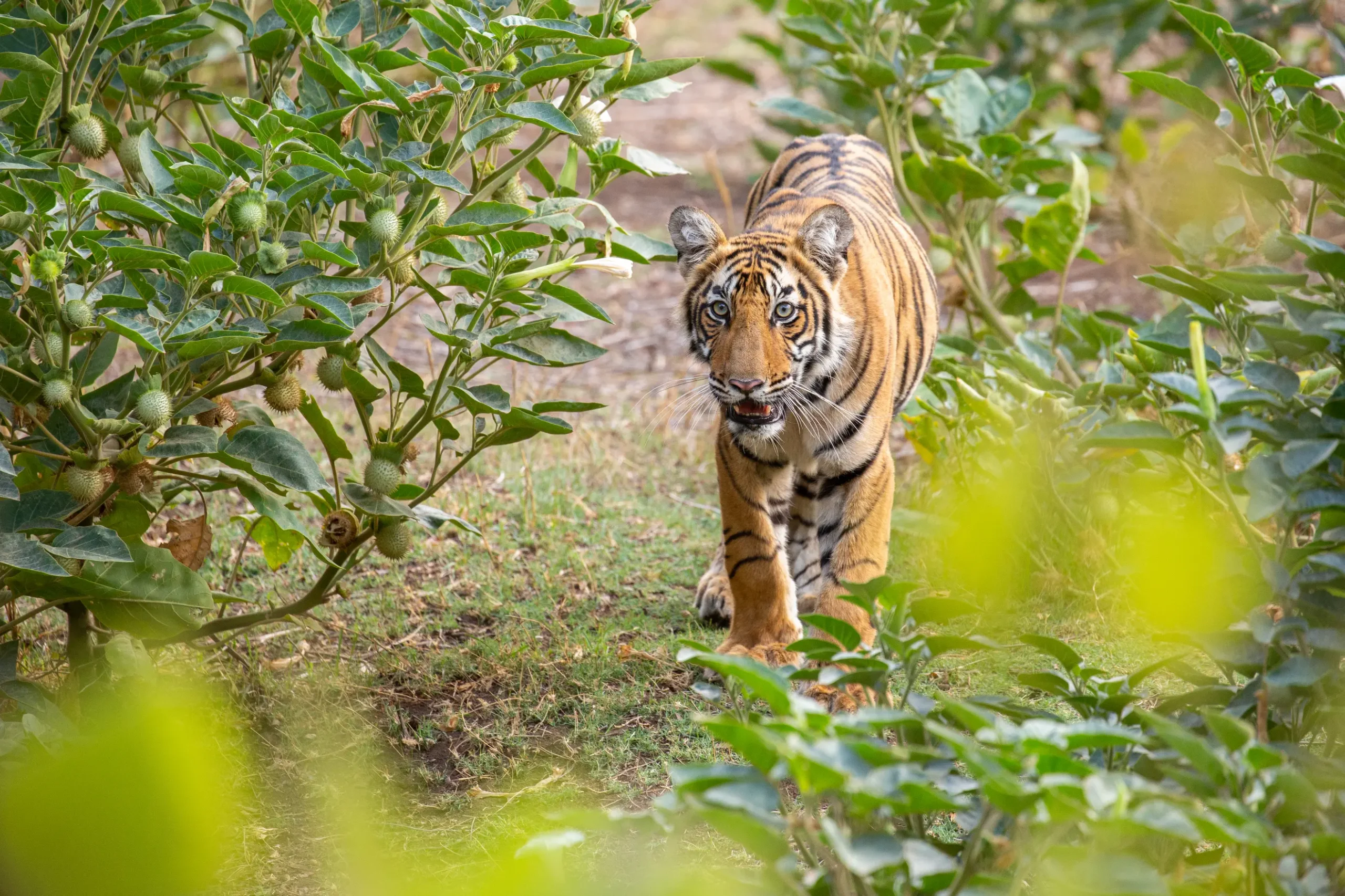
If you’ve ever dreamed of seeing a tiger walk freely through the forest, hearing alarm calls echo through dense trees, or witnessing wildlife in its natural habitat, then a jungle safari is something you should experience at least once in your life.
For first-time travelers, however, a jungle safari can feel confusing — permits, zones, safaris, rules, timings, and destinations. This beginner’s guide explains what a jungle safari really is, how it works, and why destinations like Tadoba, Pench, Kanha, and Ranthambore are among the best places in India to experience it.
What Is a Jungle Safari?
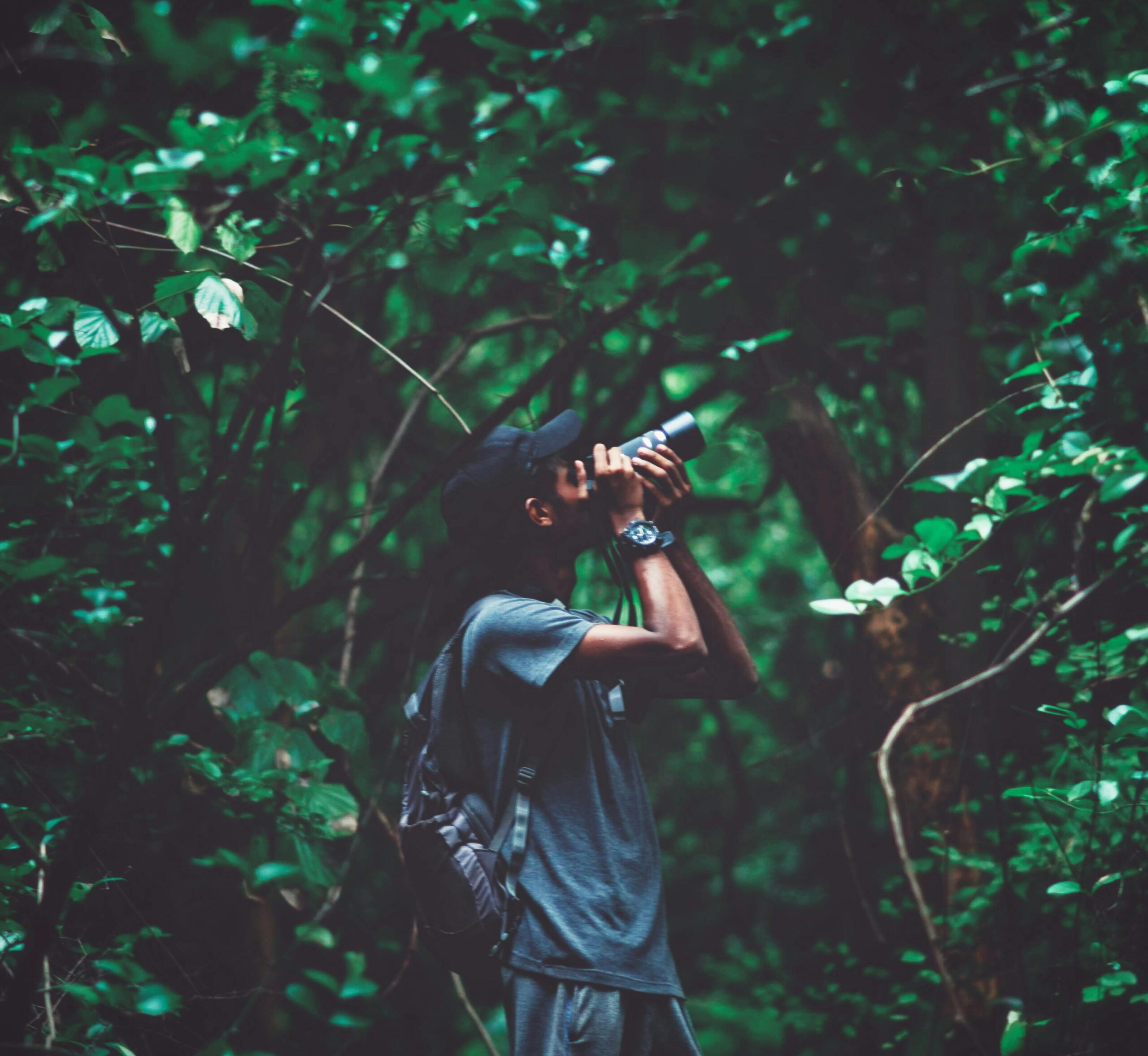
A jungle safari is a guided wildlife exploration inside a protected forest or national park. It allows visitors to observe wild animals in their natural environment, without disturbing them.
Unlike zoos, animals are not confined. You enter their territory, following strict forest rules, fixed routes, and trained guides. Safaris are usually conducted in open gypsy vehicles (jeeps) or canters, accompanied by an official forest guide.
The main objective of a jungle safari is:
- Wildlife conservation
- Responsible tourism
- Natural wildlife observation
What Animals Can You See on a Jungle Safari?
While every safari is different, popular Indian jungles offer sightings of:
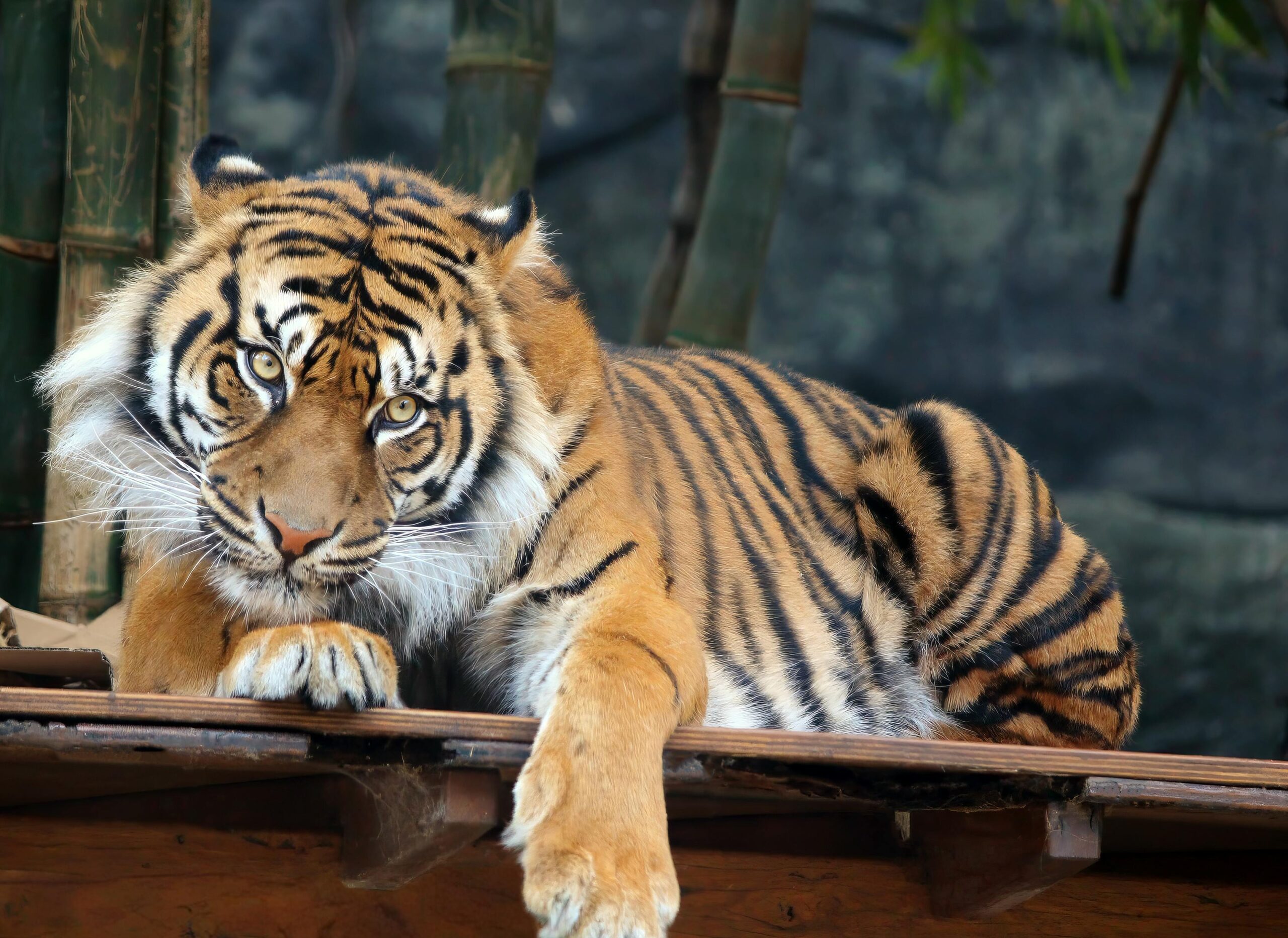
- Royal Bengal Tiger
- Leopards
- Sloth Bears
- Wild Dogs (Dholes)
- Gaur (Indian Bison)
- Deer species (Sambar, Chital, Barasingha)
- Langurs & macaques
- Reptiles and birds
Tiger sightings depend on luck, timing, zone selection, and forest conditions — no safari can guarantee a sighting.
How Does a Jungle Safari Work?
Here’s how a typical jungle safari experience unfolds:
1. Safari Booking
Safari permits are issued by forest departments and are limited per zone per time slot. Early booking is strongly recommended, especially for popular parks like Ranthambore and Tadoba.
2. Entry Gates & Zones
Each national park is divided into zones, each with its own gate. Every zone has different terrain, tiger density, and wildlife movement.
3. Safari Timings
Safaris usually operate twice a day:
- Morning Safari
- Evening Safari
Timings change slightly depending on season.
4. Duration
Each safari lasts around 2.5 to 3 hours, covering fixed routes decided by the forest department.
Best Jungle Safari Destinations in India (Beginner Friendly)
🐅 Tadoba Andhari Tiger Reserve (Maharashtra)
Tadoba is one of India’s best tiger sighting reserves, making it ideal for first-time safari travelers.
Why Tadoba?
- High tiger density
- Open terrain with good visibility
- Less crowded compared to northern parks
Popular Zones: Moharli, Kolara, Navegaon, Pangdi
Best Time: March to May (excellent sightings)
🐆 Pench National Park (Madhya Pradesh & Maharashtra)
Famous as the inspiration behind The Jungle Book, Pench offers a beautiful mix of forest and grassland.
Why Pench?
- Scenic forest landscapes
- Balanced wildlife sightings
- Good for photographers and families
Popular Zones: Turia, Karmajhiri, Jamtara
Best Time: February to April
🌳 Kanha National Park (Madhya Pradesh)
Kanha is one of India’s largest and most well-managed tiger reserves.
Why Kanha?
- Vast meadows and dense sal forests
- Home to the rare Barasingha
- Structured safari experience
Popular Zones: Kisli, Mukki, Kanha, Sarhi
Best Time: March to May
🐯 Ranthambore National Park (Rajasthan)
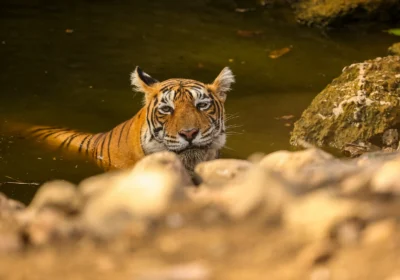
Ranthambore is known for its dramatic landscapes where tigers are often seen near lakes and ancient ruins.
Why Ranthambore?
- Historic fort backdrop
- Tigers active during daylight
- Great for first-time wildlife tourists
Popular Zones: Zone 2, 3, 4, 6
Best Time: October to April
Types of Jungle Safaris
- Jeep Safari (Gypsy): Best experience, fewer people, flexible movement
- Canter Safari: Budget-friendly, larger groups
- Full-Day Safari: Available in some parks like Kanha & Pench
- Buffer Zone Safari: Less crowded, good alternative when core zones are full
Jungle Safari Rules Every Beginner Must Know
- Silence is mandatory inside the forest
- No feeding or calling animals
- Stick to designated safari routes
- No getting down from the vehicle
- Follow guide and driver instructions strictly
- Photography without flash only
Breaking rules can lead to penalties or safari cancellation.
What Should You Wear on a Jungle Safari?
- Neutral colors: green, brown, beige
- Full sleeves to avoid insects
- Comfortable shoes
- Light jacket for morning safaris
- Cap & sunglasses
Avoid bright colors like red, yellow, or white.
Is Jungle Safari Safe?
Yes, jungle safaris are very safe when conducted properly. Vehicles, routes, and guides are forest-department approved, and animal encounters are natural and non-aggressive.
Thousands of travelers visit Tadoba, Pench, Kanha, and Ranthambore safely every year.
Tips for First-Time Jungle Safari Travelers
- Book safaris in advance
- Choose experienced safari planners
- Be patient — wildlife sightings take time
- Enjoy the forest, not just the tiger
- Opt for multiple safaris for better chances
Why Plan Your Jungle Safari with TigerEye Tours?
At TigerEye Tours, we specialize in curated jungle safari experiences across Tadoba, Pench, Kanha, and Ranthambore.
We handle:
- Safari permits & zone selection
- Expert guides & trusted drivers
- Comfortable stays near forest gates
- End-to-end safari planning
So you focus on the experience — not the logistics.
Final Thoughts
A jungle safari is not just a trip; it’s an encounter with raw nature. Whether it’s your first safari or the beginning of many, choosing the right destination and planning makes all the difference.
If you’re ready to explore the wild, Tadoba, Pench, Kanha, and Ranthambore are perfect places to start.